



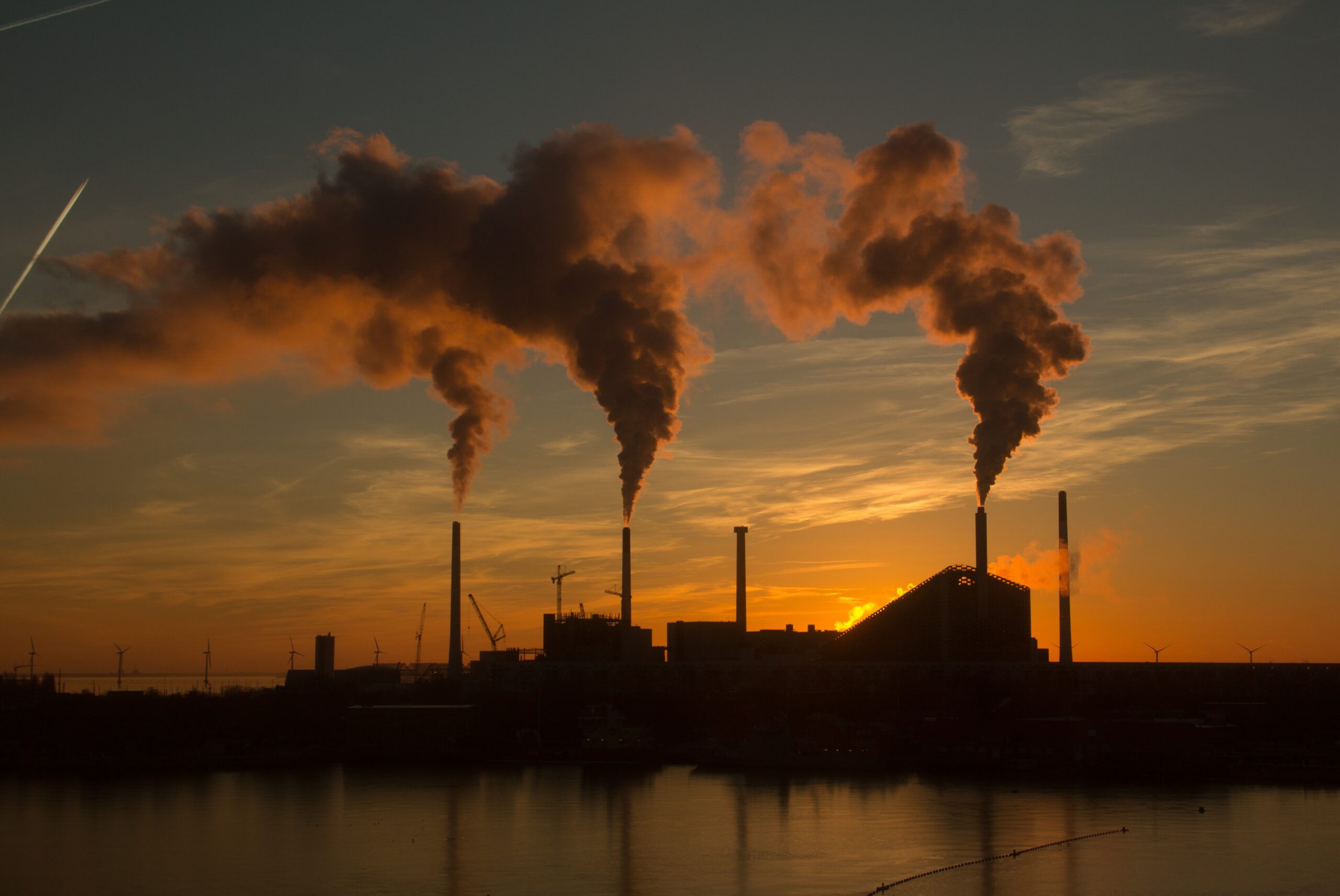
India’s industrial sector is expanding rapidly, and with it comes increasing focus on emissions, workplace air quality, and environmental responsibility. If you are searching for industrial air pollution control systems in India, you are likely evaluating technologies, compliance approaches, or EPC partners for a new or upgraded project.
Industrial air pollution control today goes beyond initial performance checks. It requires systems that perform consistently under fluctuating loads, variable raw materials, and real operating conditions.
This guide explains the major pollution control systems for industries and what decision-makers should consider before investing.
Why Industrial Air Pollution Control Is Critical
Industrial emissions include particulate matter, fumes, acidic gases, and combustion exhaust. Industries such as steel, cement, power, chemicals, and carbon black manufacturing generate complex emission profiles that require engineered solutions.
Modern industrial air pollution control systems must address:
- Primary and secondary emissions
- Fugitive dust within plant premises
- Hazardous gas handling
- Long-term operational stability
- Worker safety and air quality
Effective industrial air pollution control depends not only on equipment selection but also on system integration and execution.
Major Industrial Air Pollution Control Systems
Different industries require different technologies. The table below provides a quick comparison of widely used air pollution control equipment in industries.
Comparison of Industrial Air Pollution Control Systems
| System | Use | Best For |
| Mechanical Dust Collector (MDC) | Removes dust particles | Dry particulate emissions |
| Baghouse Dust Collector | Filters fine dust using bags | High dust load, fine particles |
| Electrostatic Precipitator | Uses electrical charge for separation | Large gas volumes |
| Industrial Scrubber System | Removes gases using liquid absorption | Acid gas removal, SO₂ scrubbing system |
| Flue Gas Cleaning System (FGD) | Controls sulfur emissions | Boiler and combustion exhaust |
| Fume Extraction System | Captures emissions at source | Shop-floor and fugitive emissions |
In many plants, these systems work together as part of a complete industrial air pollution control system.
1. Mechanical Dust Collector (MDC)
A dust collection system captures particulate matter generated during grinding, conveying, crushing, or material handling operations.
Common configurations include:
- Industrial dust collection system
- Baghouse dust collector
- Pulsejet baghouse
- Reverse air baghouse
- Mechanical dust collector
These dust collection systems are widely used in steel melting shops, cement plants, and carbon black production units. Proper airflow balancing and filtration efficiency support stable performance.
2. Baghouse & Bag Filter Systems
A baghouse dust collector or bag filter removes fine particulate matter using fabric filter media. These systems are effective where dust concentration is high and performance expectations are stringent.
Pulsejet baghouse systems enable continuous operation, while reverse air baghouse systems are suited for specific process conditions.
In sectors like carbon black manufacturing, specialized bag collector designs are used to handle fine and high-temperature particulates.
3. Electrostatic Precipitators (ESP)
An electrostatic precipitator removes particles from flue gas using electrically charged plates. These systems are suitable for large gas volumes with stable operating conditions.
They are commonly used in:
- Boiler exhaust systems
- Power plants
- Large combustion-based industries
Electrostatic precipitator systems offer low pressure drop and high efficiency when engineered correctly.
4. Industrial Scrubber Systems
When emissions include gases or chemical vapours, filtration alone is not sufficient. An industrial scrubber system uses liquid absorption to treat exhaust streams.
Examples include:
- Exhaust gas scrubber
- Acid fume scrubber
- SO₂ scrubbing system
- Acid gas removal systems
These industrial scrubber systems are widely used in chemical processing, fertiliser plants, and refineries where gaseous emissions are prominent.
5. Flue Gas Cleaning & FGD Technology
For combustion-heavy industries, flue gas cleaning systems are essential. FGD (Flue Gas Desulfurization) technology is widely used to control sulfur emissions from boilers.
These systems are important for:
- Thermal power plants
- Industrial boilers
- Process heating systems
Integration with the boiler exhaust system ensures long-term operational consistency.
6. Fume Extraction Systems
In industries such as steel melting shops, emissions are generated not only from stacks but also during operations. A well-designed fume extraction system or furnace fume extraction system captures emissions at source.
Effective fume capture improves shop-floor air quality and supports overall industrial air emission control.
Choosing the Right System
Selecting the right solution requires evaluating:
- Nature of pollutant (particulate or gas)
- Gas temperature and volume
- Process variability
- Maintenance accessibility
- Long-term operability
A well-planned industrial air pollution control system considers all these factors together rather than selecting equipment in isolation.
Why EPC Execution Matters
Even advanced air pollution control equipment in industries performs best when engineering and execution are aligned with real operating conditions.
Successful projects involve:
- Detailed emission source mapping
- Duct design and airflow modelling
- Structural integration
- Automation and monitoring
- Lifecycle performance planning
Engineering-led EPC solutions ensure that industrial emission control systems perform consistently over time.
Building Reliable Air Pollution Control Systems in India
Modern industrial air pollution control systems are designed for performance, reliability, and adaptability. Whether it is a dust collection system, electrostatic precipitator, industrial scrubber system, or flue gas cleaning system, long-term success depends on engineering depth and execution discipline.
This is where Ecomak Systems brings strong value. With expertise in industrial air pollution control systems, Ecomak integrates process understanding, engineering design, manufacturing, and EPC execution to deliver solutions that perform under real industrial conditions.
For organisations evaluating upgrades or new installations, early technical discussions help define the right system architecture from the beginning and support efficient project execution.
In industrial pollution control, sustainable performance is achieved through engineering.