



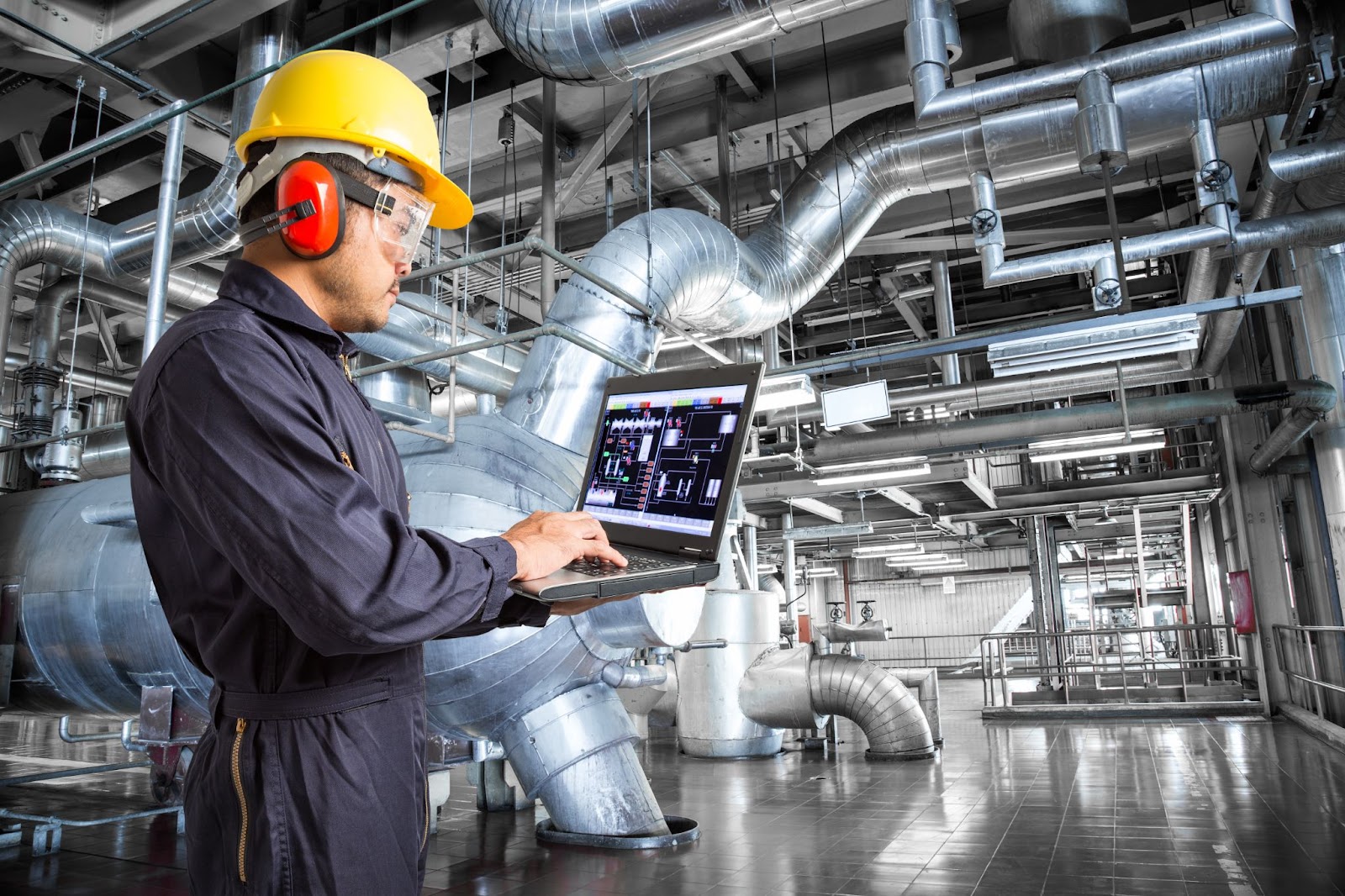
Industrial pollution control has traditionally relied on fixed designs, manual checks, and periodic inspections. While these approaches were once sufficient, they are no longer enough for today’s complex, high-load, continuously operating industrial environments.
As emission norms tighten and operational variability increases, industries are discovering a hard truth: pollution control systems that cannot see, measure, or adapt in real time eventually fail.
This is where digital monitoring and automation are redefining how pollution control systems perform – not just at commissioning, but throughout their lifecycle.
The Core Problem: Pollution Control Systems Operate Blind
Many industrial pollution control systems are designed to capture dust, fumes, and gases efficiently, but once commissioned, they operate with limited visibility.
Plant owners often face challenges such as:
- Emission excursions were detected too late
- Gradual performance deterioration is going unnoticed
- Manual intervention only after complaints or regulatory notices
- High maintenance costs due to reactive rather than predictive action
Without real-time data, industrial air pollution control systems are forced to operate on assumptions rather than actual process behaviour.
Why Manual Monitoring Is No Longer Enough
1. Industrial Processes Are Dynamic
Production loads fluctuate, raw materials change, and operating practices evolve. Static pollution control systems struggle to maintain efficiency under these shifting conditions.
2. Compliance Is Continuous, Not Occasional
Regulatory authorities increasingly focus on consistent emission performance rather than isolated test results. Manual monitoring cannot provide the visibility needed to maintain continuous emission compliance for industries.
3. Delayed Detection Increases Risk
By the time dust leakage, pressure drops, or fan inefficiencies are manually identified, system damage or non-compliance has often already occurred.
What Digital Monitoring Brings to Pollution Control Systems
Digital monitoring transforms pollution control systems from passive equipment into intelligent, responsive assets.
1. Real-Time Performance Visibility
Sensors and digital instrumentation continuously track:
- Pressure drop across filters
- Gas flow and temperature
- Dust loading and system resistance
- Equipment health indicators
This allows operators to understand how pollution control systems for industries are performing at any given moment.
2. Early Detection of Deviations
Automation enables alerts when performance deviates from design parameters – long before emissions exceed permissible limits.
This is especially critical in systems handling:
- High dust loads
- Variable gas compositions
- High-temperature processes
3. Data-Driven Operational Decisions
Instead of relying on experience or assumptions, plant teams can optimise operation using real-time data, improving:
- System efficiency
- Energy consumption
- Equipment life
Automation: Closing the Gap Between Design and Reality
Digital monitoring becomes truly powerful when combined with automation.
Automation allows pollution control systems to:
- Adjust fan speeds based on load
- Regulate dampers automatically
- Optimise cleaning cycles
- Maintain stable operating conditions
This ensures industrial emission control systems adapt to process changes rather than lag behind them.
The Role of Digitalisation in Long-Term Compliance
One of the most significant advantages of automation is sustained compliance.
Digitally monitored systems:
- Maintain stable emission levels over time
- Reduce dependence on manual intervention
- Provide documented performance data for audits
This aligns pollution control performance with how regulators actually evaluate compliance – under real operating conditions.
A Practical Industry Perspective
In heavy industries such as steel and cement, pollution control systems often perform well during commissioning. However, months later:
- Dust loading increases
- Process variability intensifies
- Manual checks become inconsistent
Without digital monitoring, these changes remain invisible until performance drops.
With automation in place, deviations are identified early, allowing corrective action before compliance or productivity is impacted.
Conclusion: The Future of Pollution Control Is Intelligent
Digital monitoring and automation are no longer optional enhancements. They are essential for pollution control systems expected to perform reliably over years of operation.
As industrial processes become more demanding and emission norms more stringent, the ability to see, analyse, and respond in real time will define whether pollution control systems succeed or quietly fall out of compliance.
In the future, the most effective pollution control systems will not just capture emissions.
They will understand them.