



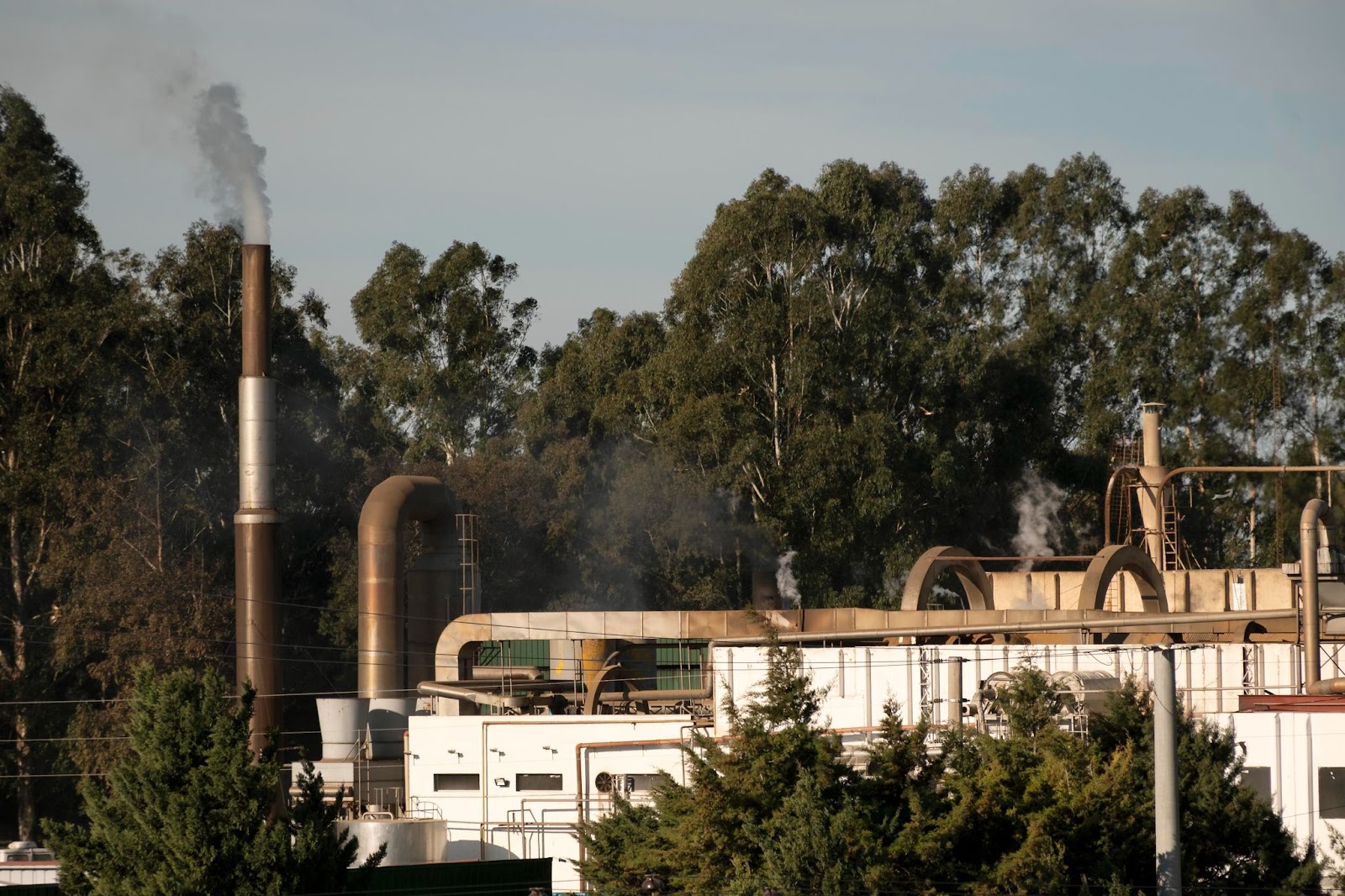
In industrial projects, air pollution control systems are often designed with the right intent – to meet emission norms, protect worker health, and ensure environmental compliance. Yet, many of these systems underperform once the plant becomes fully operational.
The root cause is rarely technology. More often, it lies in mistakes made during EPC execution – decisions taken early in the project lifecycle that silently limit long-term performance.
Understanding these mistakes is critical for plant owners who want pollution control systems that work not just at handover, but throughout years of operation.
The Bigger Issue: Pollution Control Is Treated as a Package, Not a Process
During EPC execution, air pollution control is frequently approached as a standalone deliverable rather than an integrated part of the process. This leads to gaps between design assumptions and operating reality.
As a result, many industrial air pollution control systems meet specifications on paper but struggle under real plant conditions.
Mistake #1: Late Involvement of Pollution Control Engineering
One of the most common EPC mistakes is introducing pollution control systems after core process engineering is finalised.
When this happens:
- Emission sources are not fully mapped
- Capture points are constrained by layout limitations
- Ducting and airflow paths become inefficient
Effective pollution control systems for industries must be engineered alongside the process, not added at the end.
Mistake #2: Designing Only for Commissioning Conditions
EPC designs often focus on achieving compliance during initial trials. However, real operating conditions are far more demanding.
Designs that ignore:
- Production variability
- Raw material changes
- Load fluctuations
Fail to deliver consistent industrial emission compliance once operations stabilise.
Mistake #3: Underestimating Secondary and Fugitive Emissions
EPC execution frequently prioritises stack emissions while overlooking secondary sources such as:
- Charging and tapping operations
- Material handling points
- Shop-floor leakages
This results in poor workplace air quality even when stack emissions remain within limits. Effective industrial emission control systems must address both primary and secondary emissions.
Mistake #4: Equipment-Centric EPC Approach
Another major issue is focusing on equipment procurement rather than system performance.
When EPC execution is equipment-driven:
- System integration suffers
- Airflow balancing is compromised
- Maintenance access is overlooked
Successful air pollution control EPC projects prioritise performance, not just equipment delivery.
Mistake #5: Ignoring Long-Term Operability and Maintenance
Pollution control systems are expected to operate continuously in harsh environments. Yet, EPC execution often overlooks:
- Maintenance accessibility
- Wear and tear over time
- Operator-friendly design
This leads to higher downtime, reduced efficiency, and escalating maintenance costs.
What Effective EPC Execution Looks Like
Plants that achieve consistent air pollution control performance follow a different EPC philosophy.
- Process-Integrated Pollution Control
Emission control systems are designed as part of the process, not as an afterthought.
- Design for Real Operating Conditions
Engineering accounts for variability, peak loads, and long-term degradation.
- Performance Beyond Handover
System success is measured months after stabilisation – not just at commissioning.
This approach significantly improves industrial air pollution control outcomes.
A Common Industry Scenario
In many projects, pollution control systems pass emission tests during commissioning. However, within months:
- Pressure drops increase
- Dust leakages appear
- Shop-floor air quality deteriorates
These are not operational failures – they are engineering oversights during EPC execution.
Where Ecomak Systems Makes the Difference
This is where Ecomak Systems brings value.
Ecomak Systems delivers engineering-led EPC solutions for industrial air pollution control, focusing on how systems perform under real operating conditions. By integrating process understanding, design engineering, manufacturing, and execution, Ecomak Systems ensures pollution control systems are built for long-term reliability and compliance.
With deep expertise in air pollution control systems, Ecomak Systems helps industries:
- Reduce emission risks
- Improve shop-floor air quality
- Lower lifecycle costs
- Achieve sustainable compliance
Rather than treating pollution control as an add-on, Ecomak Systems embeds it into the heart of the EPC process.
Conclusion: EPC Mistakes Are Costly – But Avoidable
Industrial air pollution control systems do not fail randomly. Most failures can be traced back to decisions made during EPC execution.
For plant owners, recognising these common mistakes is the first step toward building systems that perform reliably, remain compliant, and deliver long-term value.
Because in pollution control, what is overlooked during EPC is always paid for during operations.