



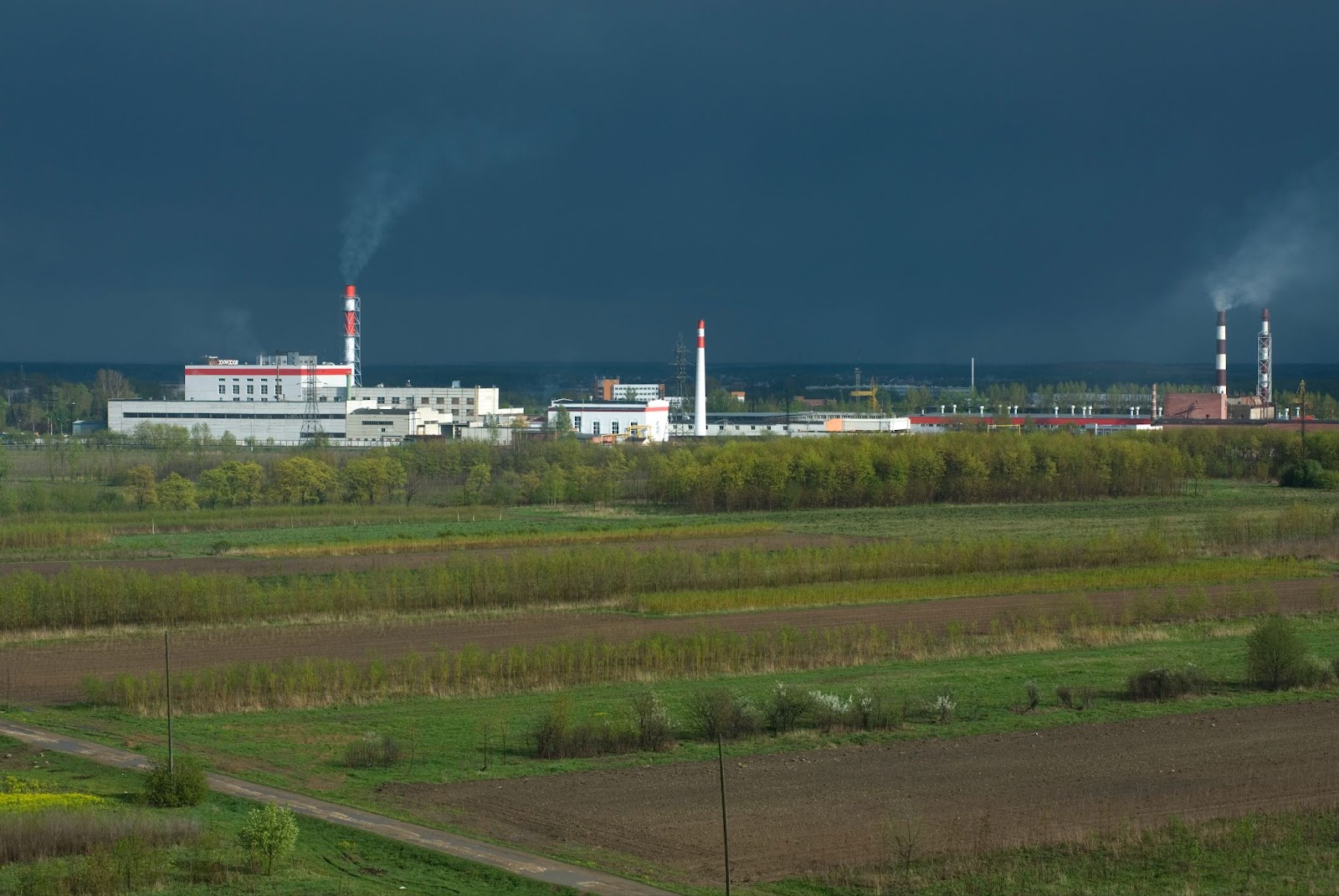
India’s industrial growth has been rapid- but so has regulatory scrutiny around air pollution and emissions. For plant owners and industrial leaders, emission norms are no longer a box to tick during commissioning. They directly influence operational continuity, worker safety, environmental credibility, and long-term plant performance.
Yet, many industries still struggle to clearly understand what India’s industrial emission norms actually require, how they evolve, and why systems that appear compliant on paper fail under real operating conditions.
This gap between regulation and reality is where most compliance challenges begin.
The Real Problem: Emission Norms Are Stricter- But Operations Are More Complex
India’s industrial emission regulations have tightened significantly over the past decade. Regulatory bodies now monitor not just stack emissions, but also fugitive emissions, secondary fumes, and shop-floor air quality.
For plant owners, the challenge lies in three critical areas:
1. Regulations Don’t Account for Static Design Thinking
Emission norms are framed assuming stable operations. In reality, plants experience:
- Fluctuating production loads
- Changing raw material quality
- Evolving operating practices
- Wear and tear over time
Systems designed only to meet emission limits during initial testing often struggle once operations stabilise.
2. Compliance Is Measured Long After Commissioning
Many plants pass emission checks during commissioning but face non-compliance months later. This happens when:
- Dust loading increases
- Gas composition changes
- Temperature and moisture conditions fluctuate
At this stage, retrofitting becomes expensive and disruptive.
3. One-Size-Fits-All Pollution Control Doesn’t Work
Industrial emission norms differ by sector- steel, cement, power, and process industries all face unique challenges. Applying generic air pollution control systems often leads to:
- Inconsistent emission control
- Higher maintenance costs
- Reduced system life
Understanding India’s Industrial Emission Norms
India’s industrial emission framework focuses on limiting the release of:
- Particulate matter (PM)
- Harmful gases
- Process-generated fumes
- Fugitive emissions within plant premises
The intent is not just environmental protection, but also:
- Improved worker safety
- Better shop-floor air quality
- Sustainable industrial operations
What plant owners must understand is that compliance is performance-based, not design-based. Authorities evaluate how systems perform under actual operating conditions – not how they are designed on paper.
Where Most Plants Go Wrong
Despite awareness, many plants face recurring compliance issues due to:
- Designing for Norms, Not for Operations
Systems are often designed to meet emission limits without fully analysing:
- Process behaviour across production cycles
- Maintenance realities
- Human operating practices
- Ignoring Secondary and Fugitive Emissions
Charging, tapping, slag handling, and material movement contribute heavily to emissions but are frequently underestimated.
- Treating Pollution Control as an Add-On
When air pollution control is treated as a standalone system rather than an integrated process solution, gaps emerge between emission sources and capture efficiency.
What Actually Works: Engineering-Led Compliance
Plants that consistently meet India’s industrial emission norms share common characteristics:
1. Early Integration of Pollution Control with Process Engineering
Instead of retrofitting solutions, emission control is embedded into process design.
2. Systems Designed for Real Operating Conditions
Design accounts for:
- Peak loads
- Process upsets
- Material variability
- Long-term wear
3. Performance Beyond Commissioning
Successful plants evaluate system efficiency months after stabilisation, not just during initial trials.
This approach reduces compliance risk while improving system reliability and lifecycle value.
Practical Example: Why Long-Term Compliance Depends on Early Decisions
Consider a steel plant where pollution control systems were designed based only on furnace emissions. During commissioning, emission levels were within limits.
However, once production stabilised:
- Secondary fumes increased
- Shop-floor dust levels rose
- Workers faced deteriorating air quality
The issue wasn’t regulatory failure- it was incomplete engineering consideration during design.
This is why emission norms cannot be addressed in isolation. They demand a holistic view of how a plant actually operates.
Where Ecomak Systems Fits In
This is where Ecomak Systems differentiates itself.
Ecomak Systems approaches industrial emission control not as a compliance checklist, but as an engineering-led, performance-driven solution. With expertise in air pollution control and gas cleaning solutions, Ecomak Systems designs systems that capture dust, fumes, and harmful gases across real industrial conditions- not just during handover.
By integrating particulate cleaning, gas cleaning, and emission control systems with process understanding, Ecomak Systems helps industries achieve:
- Consistent regulatory compliance
- Cleaner shop-floor air quality
- Safer workplaces
- Sustainable long-term operations
Engineered for reliability, efficiency, and compliance with the toughest environmental norms, Ecomak Systems supports industries in reducing emissions and building a cleaner tomorrow.
Final Thoughts: Compliance Is a Journey, Not a Milestone
Understanding India’s industrial emission norms is only the first step. True compliance lies in how systems perform over time- as production evolves and operating realities set in.
For plant owners, the real question is not “Will this system pass today?”
It is “Will this system perform years from now?”
And the answer depends on engineering decisions made right at the beginning.