



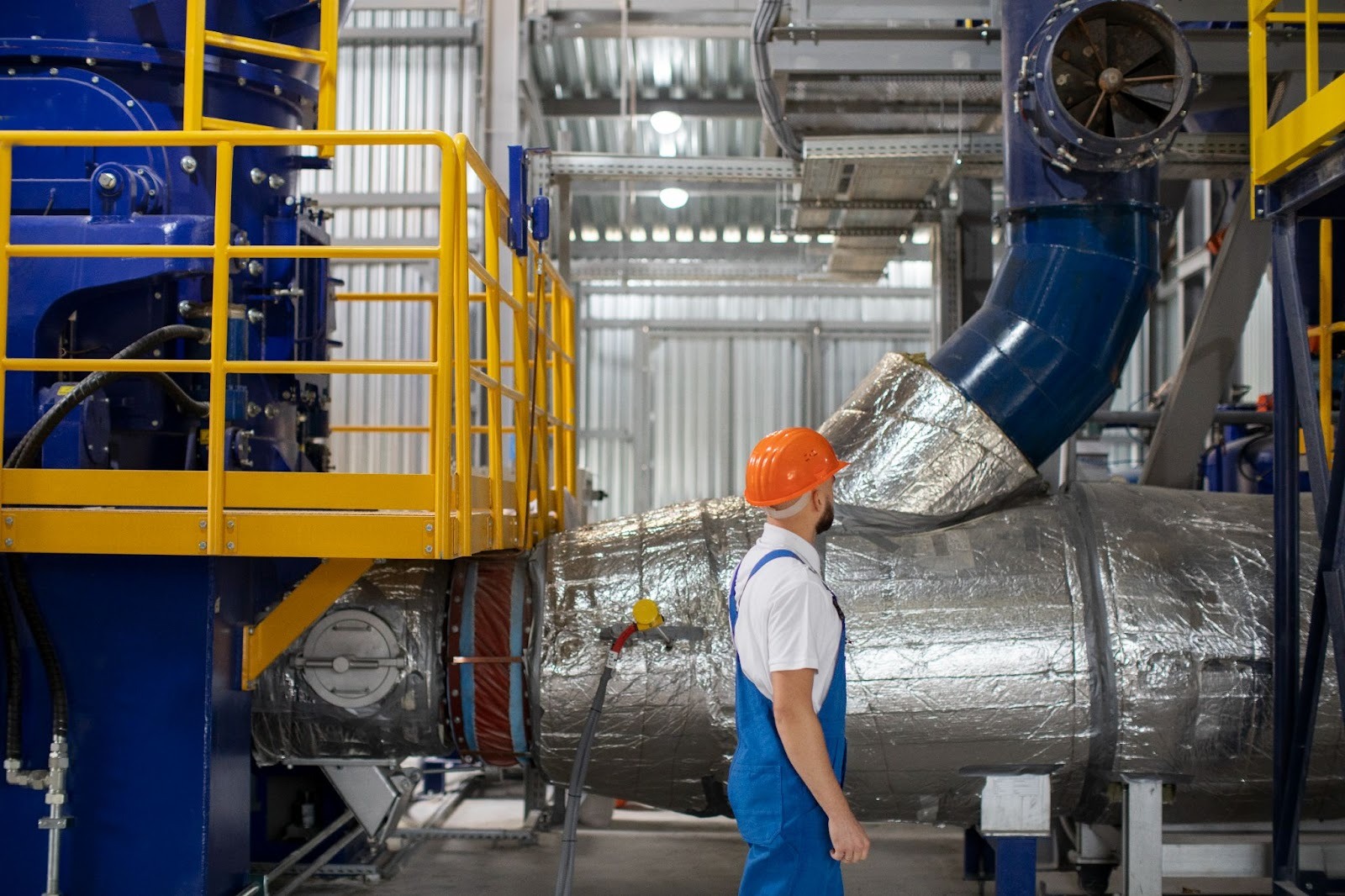
Industrial manufacturing processes generate gases that require effective treatment before release into the atmosphere. Across industries such as steel, chemicals, power generation, and carbon black manufacturing, advanced air pollution control equipment in industries plays a critical role in maintaining clean and efficient operations.
Among the most reliable technologies for treating gaseous emissions are industrial scrubber systems. These systems are widely used for acid gas removal, SO₂ scrubbing systems, and comprehensive industrial air emission control.
This guide explains how industrial scrubber systems, exhaust gas scrubbers, and related technologies help industries maintain efficient air pollution control systems while supporting smooth production processes.
What Are Industrial Scrubber Systems?
Industrial scrubber systems are gas cleaning technologies designed to remove gaseous pollutants and fine particulates from industrial exhaust streams. These systems bring polluted gas streams into contact with a liquid or chemical reagent that absorbs or neutralizes unwanted compounds.
As a result, industrial scrubber systems are widely used in modern industrial air pollution control strategies across multiple industries.
Typical pollutants removed using industrial scrubber systems include:
- Acidic gases
- Sulfur dioxide
- Chemical vapors
- Process fumes
- Fine particulate matter
Industries rely on these air pollution control systems to maintain efficient industrial air emission control while supporting stable plant operations.
How Industrial Scrubber Systems Work
At the core of an industrial scrubber system is the interaction between the gas stream and a scrubbing liquid. The polluted gas passes through the scrubber chamber, where it comes into contact with the liquid medium.
The scrubbing process typically involves:
- Gas entering the exhaust gas scrubber
- Gas contacting the scrubbing liquid
- Pollutants are being absorbed or neutralized
- Cleaned gas exiting the system
This process allows industrial scrubber systems to effectively support industrial air pollution control and ensure reliable industrial air emission control across various manufacturing processes.
Different designs of industrial scrubber systems are used depending on the type of gas stream and industry application.
Types of Industrial Scrubber Systems
Several types of industrial scrubber systems are used for gas cleaning depending on the pollutant characteristics and industrial process conditions.
1. Wet Scrubbers
Wet scrubbers are the most commonly used industrial scrubber systems. In this design, a liquid reagent captures pollutants from the gas stream.
Wet exhaust gas scrubbers are widely used for:
- Acid gas removal
- SO₂ scrubbing systems
- Chemical vapor control
- Process gas cleaning
They are frequently used in industrial air pollution control equipment in industries such as steel plants, chemical facilities, and power plants.
2. Packed Bed Scrubbers
Packed bed industrial scrubber systems contain a packing material that increases the contact surface between the gas and liquid. This enhanced interaction improves the efficiency of acid gas removal and SO₂ scrubbing systems.
Packed scrubbers are widely used in:
- Chemical manufacturing
- Carbon black plants
- Fertilizer plants
- Process gas treatment systems
These systems support effective industrial air emission control while maintaining high gas treatment efficiency.
3. Venturi Scrubbers
Venturi industrial scrubber systems use high gas velocities to enhance the mixing of gas and scrubbing liquid.
These systems are particularly effective for:
- Fine particulate removal
- Process gas cleaning
- High-temperature exhaust streams
Venturi scrubbers are often integrated into comprehensive air pollution control systems where both particulate and gaseous pollutants require treatment.
Acid Gas Removal in Industrial Processes
Many industrial processes generate acidic gases such as hydrogen chloride, hydrogen sulfide, and sulfur dioxide. Efficient acid gas removal is essential for maintaining stable industrial operations and achieving reliable industrial air emission control.
Industrial scrubber systems provide an effective solution by neutralizing acidic gases through chemical reactions within the scrubbing liquid.
Common industrial applications requiring acid gas removal include:
- Chemical manufacturing
- Fertilizer plants
- Carbon black production
- Steel processing units
- Petrochemical facilities
Through properly designed industrial scrubber systems, industries can maintain effective industrial air pollution control systems while ensuring smooth process operations.
SO₂ Scrubbing Systems for Industrial Emissions
Sulfur dioxide is a common byproduct in several industrial processes, particularly in power generation, metal processing, and sulfur-based chemical production.
SO₂ scrubbing systems are specialized industrial scrubber systems designed to remove sulfur dioxide from flue gases and industrial exhaust streams.
Typical SO₂ scrubbing systems operate using alkaline reagents such as lime or limestone solutions, which react with sulfur dioxide to form stable compounds.
Industries that widely use SO₂ scrubbing systems include:
- Thermal power plants
- Steel plants
- Smelting operations
- Chemical manufacturing facilities
These systems are a key component of large-scale air-pollution control systems, ensuring reliable industrial air-emission control.
Engineering Expertise in Industrial Scrubber Systems
Designing reliable industrial scrubber systems requires a strong understanding of industrial processes, gas characteristics, and system integration.
Engineering companies like Ecomak Systems specialize in developing industrial scrubber systems, acid gas removal systems, and SO₂ scrubbing systems tailored for industries such as steel, carbon black, chemical manufacturing, and power generation.
With expertise in industrial air pollution control systems, these engineered solutions integrate seamlessly with technologies such as dust collectors, baghouses, and electrostatic precipitators to deliver comprehensive industrial air emission control.
FAQs Section
An industrial scrubber system is an air pollution control technology that removes gaseous pollutants and acidic compounds from industrial exhaust streams using liquid or chemical absorption processes.
Industrial scrubber systems are commonly used for acid gas removal, SO₂ scrubbing, chemical vapor treatment, and industrial process gas cleaning.
SO₂ scrubbing systems are widely used in power plants, steel plants, and chemical manufacturing facilities as part of advanced industrial air pollution control systems.