



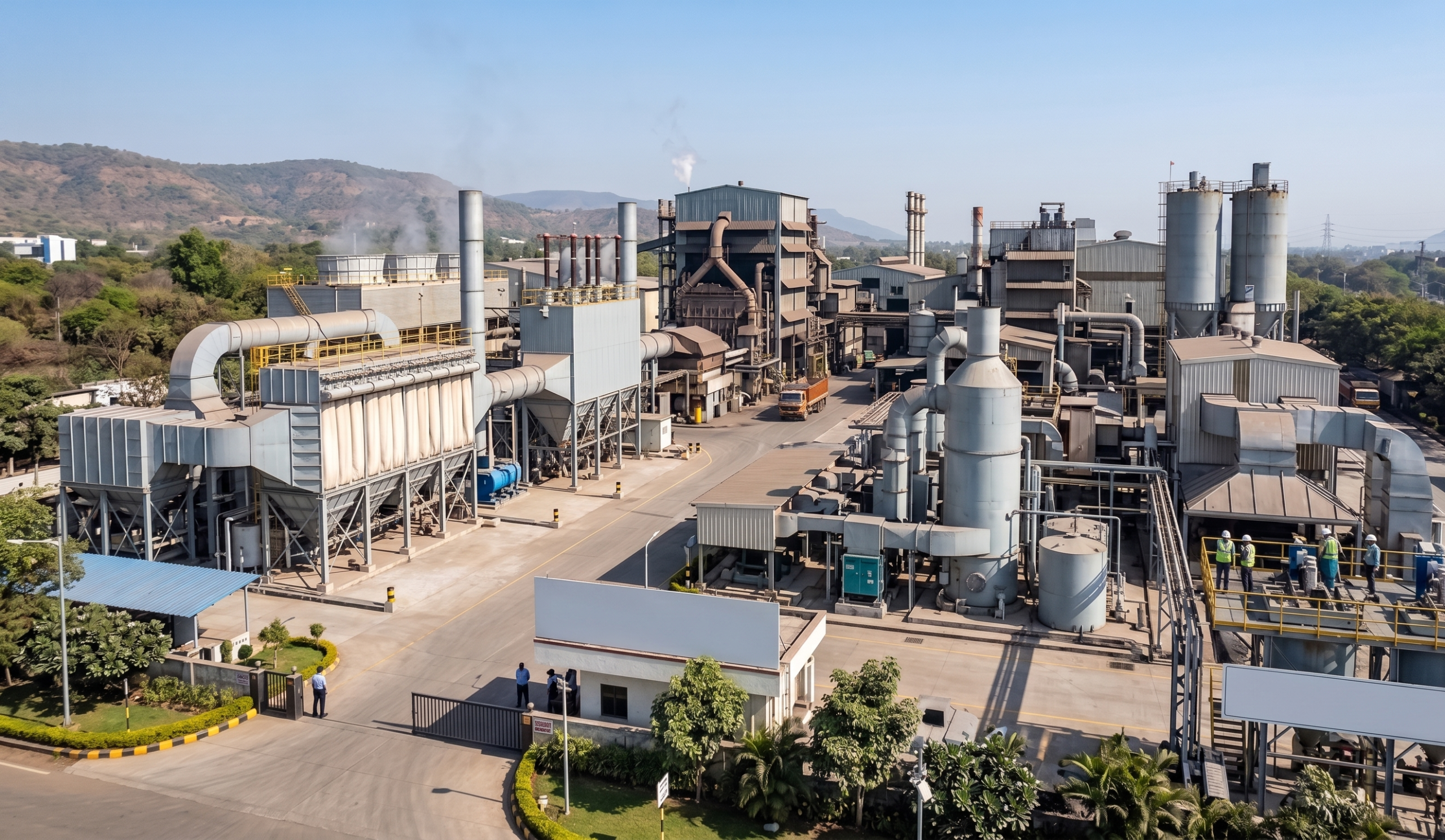
Industrial growth across sectors such as metals, energy, chemicals, and manufacturing has increased the need for efficient emission management. Today, air pollution control equipment plays a vital role in ensuring clean, efficient, and well-managed industrial operations.
Engineering-driven companies such as Ecomak Systems, known for delivering advanced air pollution control equipment in industries, contribute to developing solutions that align with real plant conditions across diverse sectors.
From steel melting shops to chemical processing plants, industries rely on advanced air pollution control equipment in industries to manage particulate emissions, process gases, and fumes generated during production.
This guide provides a comprehensive overview of air pollution control equipment, its types, applications, and how industries can select the right systems for long-term performance.
What Is Air Pollution Control Equipment?
Air pollution control equipment refers to engineered systems designed to capture, filter, and treat emissions generated during industrial processes.
These systems are used to manage:
- Particulate matter (dust)
- Fumes and metal oxides
- Acidic gases and chemical vapours
- Combustion exhaust
Modern industrial air pollution control equipment is designed for handling emissions, as well as for consistent performance under real-world plant conditions.
Types of Air Pollution Control Equipment Used in Industries
Different industries require different technologies based on the nature of emissions. The most widely used air pollution control equipment in industries includes:
1. Dust Collection Systems
A dust collection system is used to capture and remove particulate matter generated during operations such as crushing, grinding, conveying, and material handling.
Common types include:
- Baghouse dust collectors
- Pulsejet baghouse systems
- Reverse air baghouse systems
- Mechanical dust collectors
These systems are widely used in industries such as steel, cement, and carbon black manufacturing.
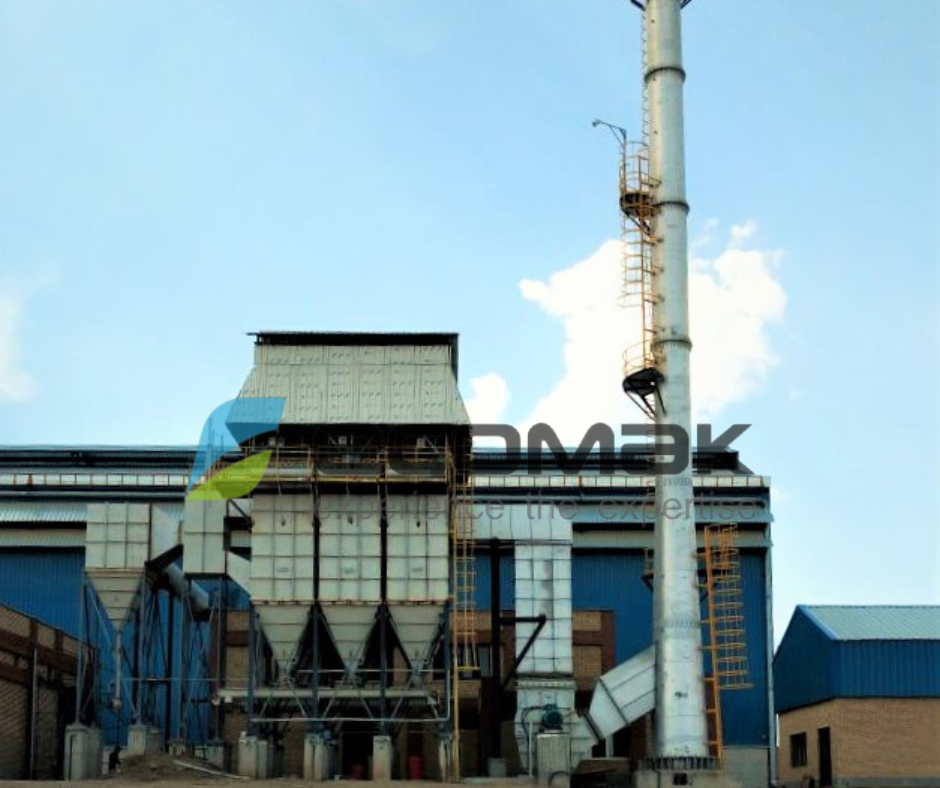
2. Electrostatic Precipitators (ESP)
An electrostatic precipitator removes fine particles from flue gases using electrical charges.
It is commonly used in:
- Power plants
- Boiler exhaust systems
- Large-scale combustion processes
Electrostatic precipitators are effective for handling high gas volumes with stable operating conditions.
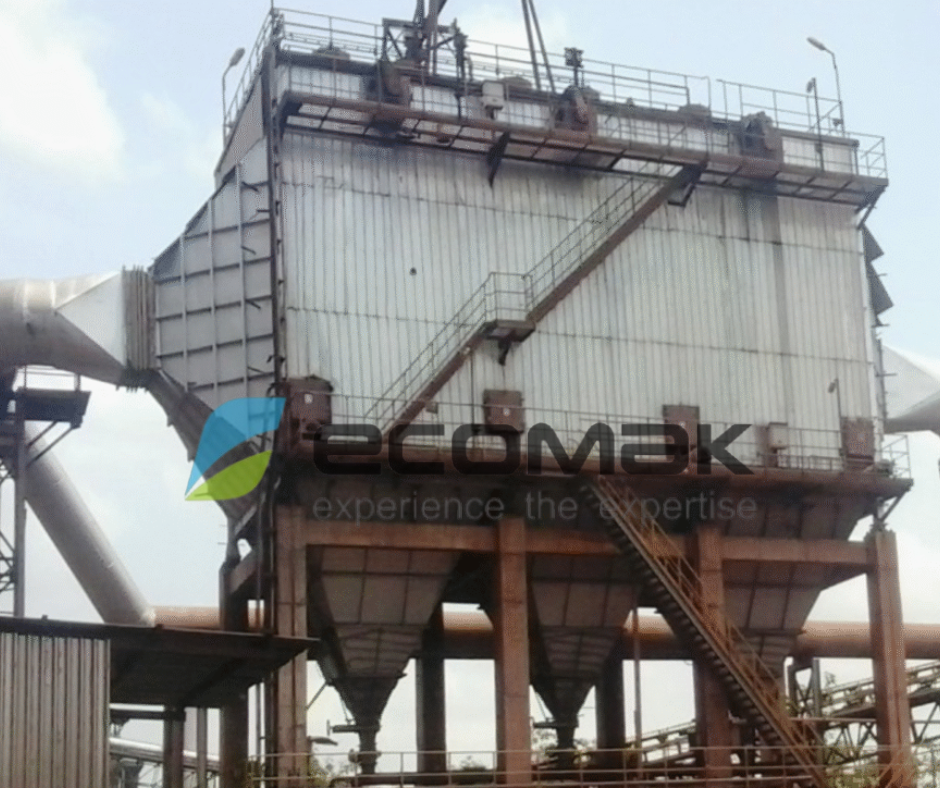
3. Industrial Scrubber Systems
An industrial scrubber system is used to remove gaseous pollutants from exhaust streams using liquid absorption.
Examples include:
- Exhaust gas scrubbers
- Acid gas removal systems
- SO₂ scrubbing systems
These systems are widely used in chemical, fertiliser, and refinery applications where gas-phase emissions are prominent.
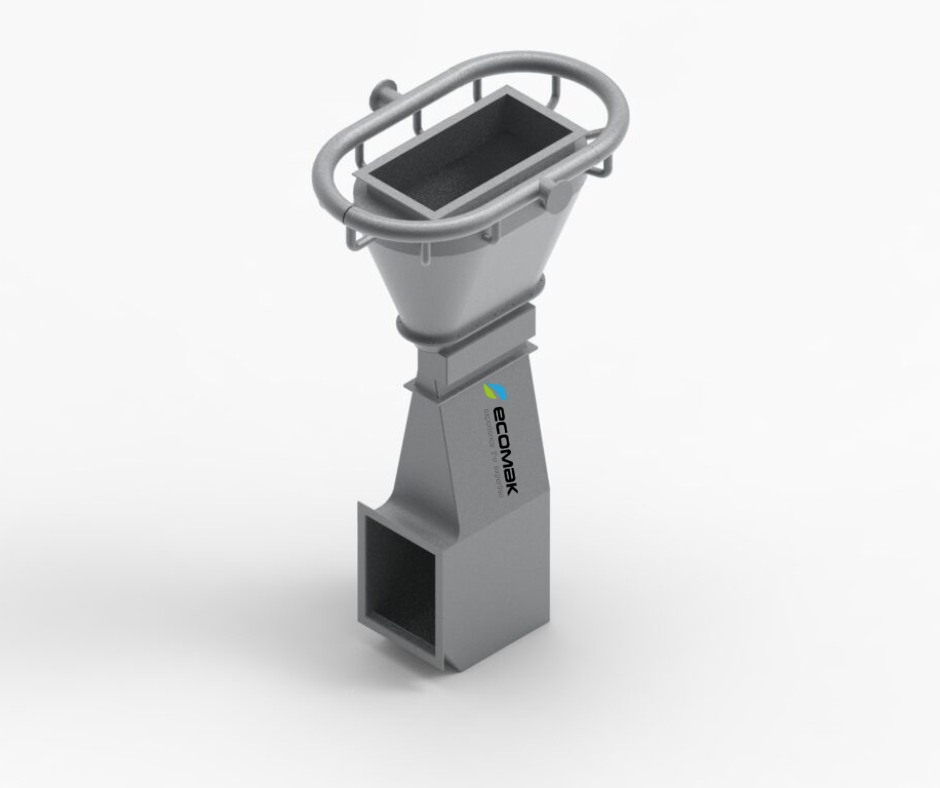
4. Fume Extraction Systems
A fume extraction system captures fumes generated during high-temperature processes such as melting, welding, and refining.
In industries like steel and non-ferrous metals, furnace fume extraction systems are used to capture emissions during charging, melting, and tapping operations.
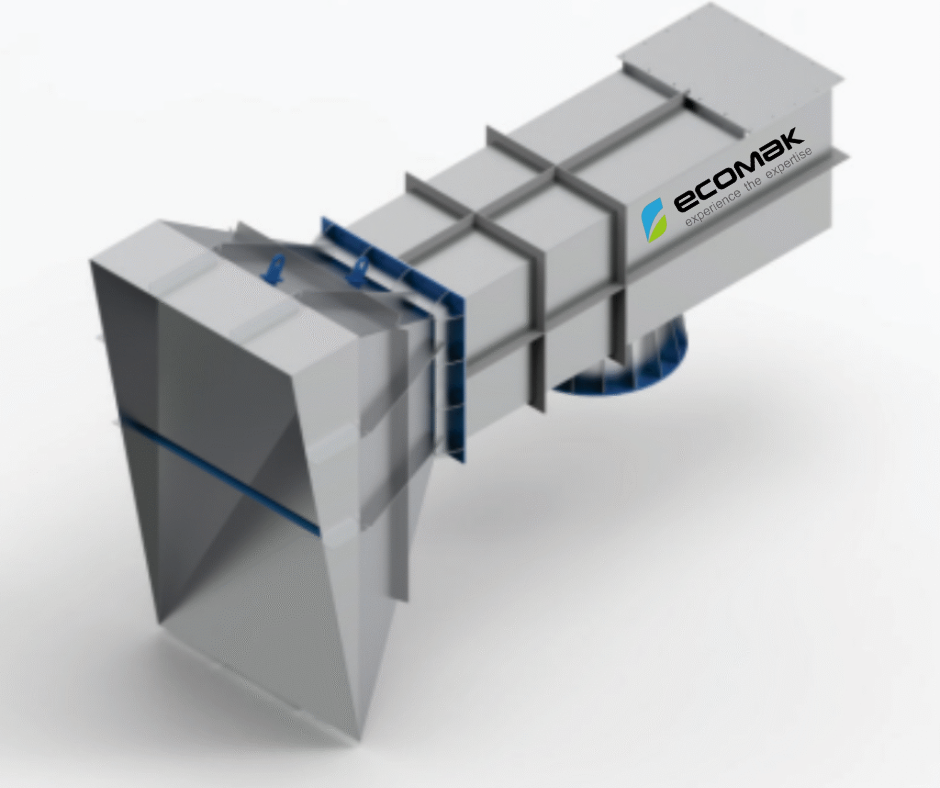
5. Flue Gas Cleaning Systems (FGD)
Flue gas cleaning systems are designed to treat combustion exhaust gases. FGD (Flue Gas Desulfurization) systems are widely used for sulfur dioxide removal.
These systems are essential in:
- Thermal power plants
- Industrial boilers
- Energy and waste-to-energy plants
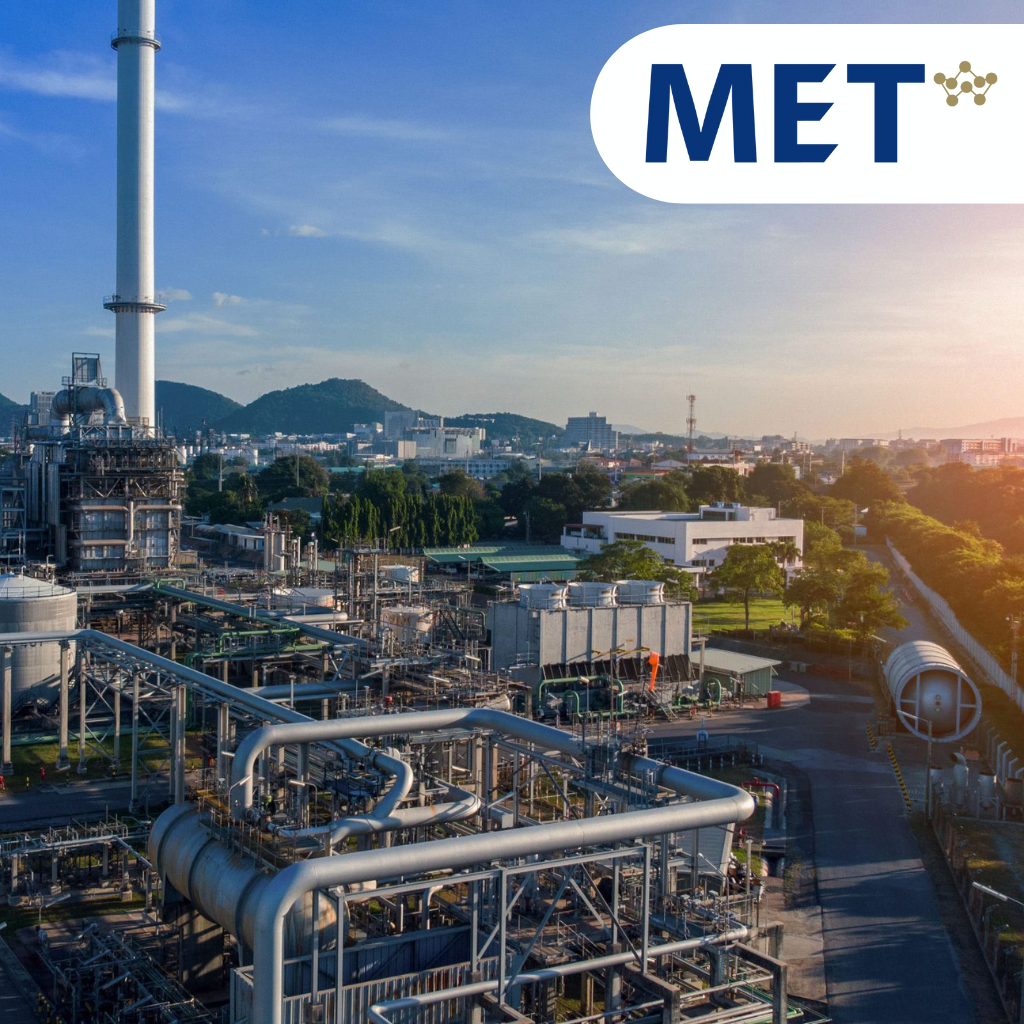
Industries Where Air Pollution Control Equipment Is Used
Modern air pollution control equipment in industries is deployed across a wide range of sectors.
Metals Industry
Mines and Minerals
Energy Sector
Chemicals and Process Industries
Food and Allied Industries
Each of these sectors uses specific combinations of air pollution control equipment based on emission characteristics.
How to Choose the Right Air Pollution Control Equipment
Selecting the right industrial air pollution control equipment requires evaluating multiple process parameters.
Key factors include:
- Type of pollutant (dust, gas, or fumes)
- Gas temperature and composition
- Process variability
- Required capture efficiency
- System integration with plant operations
A well-designed system ensures that air pollution control equipment in industries performs efficiently across different operating conditions.
Integration of Air Pollution Control Equipment
In most industrial plants, multiple systems work together as part of a complete solution.
Typical integration includes:
- Dust collection systems
- Electrostatic precipitators
- Industrial scrubber systems
- Fume extraction systems
This integrated approach ensures effective industrial air emission control across all stages of production.
Engineering Expertise in Air Pollution Control Equipment
Designing efficient air pollution control equipment requires a strong understanding of industrial processes, emission characteristics, and system integration.
Companies like Ecomak Systems, recognized among leading air pollution control equipment manufacturers in India, specialize in delivering engineered solutions such as:
- Dust collection systems
- Electrostatic precipitators
- Industrial scrubber systems
- Fume extraction systems
With expertise in industrial air pollution control systems, these solutions are developed to perform consistently across industries such as metals, energy, chemicals, and process plants.
Conclusion
Modern industries require reliable and well-integrated air pollution control equipment to manage emissions efficiently across various processes.
From dust collection systems and electrostatic precipitators to industrial scrubber systems and fume extraction systems, each technology plays a specific role in maintaining effective industrial air pollution control systems.
With the right combination of systems and engineering approach, air pollution control equipment in industries supports efficient operations and consistent performance.
With engineering expertise and process understanding, companies like Ecomak Systems contribute to developing reliable and well-integrated solutions for diverse industrial applications.